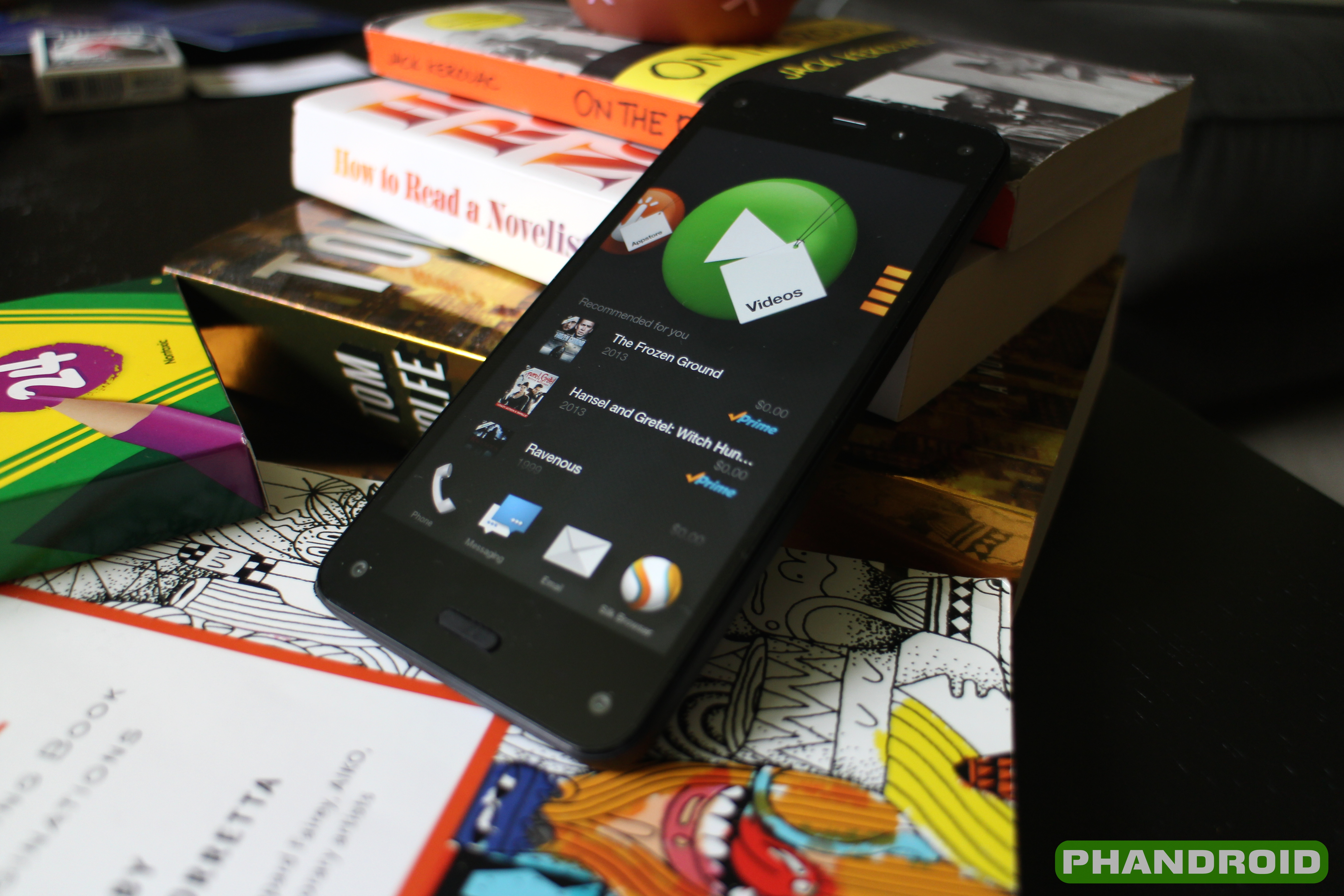
We’ve spent the past few years wondering how Amazon would look to
take their first stab at the smartphone market after a successful outing
in the tablets scene. That question was answered with the launch of the
Amazon Fire Phone (
review), a device that they hoped would pack enough “innovative” features to rope folks in. (And, really, we all assume their
true end goal is to get more eyes on their content ecosystem.)
So how has it fared in terms of sales? The official numbers haven’t been made public, but
recent web traffic data from Chitika
could shed a fair bit of light on the Fire Phone’s performance. Hint:
it isn’t great. According to them, Amazon Fire Phone accounted for just
0.02% of web traffic since the 20 days of its launch. That puts it just
ahead of the
Motorola DROID Ultra, a phone that launched around this same time a full year ago.
The Guardian
took the liberty of finding the amount of smartphones currently
swimming around the United States (about 175 million) and crunched some
numbers to determine that Amazon probably hasn’t sold more than 35,000
units. This takes into account indexing figures that would inflate or
deflate web usage for a particular phone (such as a situation where
there are more Galaxy users than iPhone users, but iPhone users make up
more traffic). It’s sad to say that 35,000 appears to be a very generous
estimation for Amazon.

Amazon’s
best selling list
would have you believe their phone is selling like hot cakes compared
to Samsung and LG devices, however it doesn’t take into account that you
can only find the Fire Phone at one of two places – AT&T or
Amazon’s own site — while the others are available at a multitude of
retailers and carriers. It also doesn’t hurt that Amazon can push the
Fire Phone as their featured phone however much they want. And trust us,
they do.
We don’t want to take these numbers as total gospel just yet, but it
wouldn’t be hard to believe Amazon has had trouble selling their
smartphone. Their launch was marred by a couple of big blunders that
would be enough to stamp the “dead-on-arrival” label onto any
smartphone:
- It launched at a whopping $200 with a two-year contract. The price isn’t that
bad for what you’re getting — Snapdragon 800, 2GB of RAM, 13 megapixel
camera and more — but it’s kind of tough to sell people on it when you
can get more powerful and feature-filled smartphones for the same price.
- It was made available on just one carrier. Long
story short: this isn’t the iPhone. The Amazon Fire Phone can’t get away
with launching as a carrier exclusive when it doesn’t really bring
anything new to the table. The iPhone did. And the iPhone was available
in more countries than just the United States.
Of course, there are many more variables that factor in (such as a
limited apps ecosystem and an operating system that is designed to get
you to spend money more than providing a quality smartphone experience),
but these seem to be the biggest and most obvious.
Amazon did their best to load the Fire Phone up with features that
could justify its bloated price tag, but those features turned out to be
little more than gimmicks that don’t add much to the overall
experience. We contend Amazon might have been much more successful by
looking to undercut the big dogs with a more reasonable price tag as
they do on their current crop of tablets.

Amazon also had to sell people on buying into an ecosystem with
limited support. The Amazon Appstore has grown quite well since its
launch, but developers have made it clear that the Google Play Store is
going to be their top priority.
The prospect of an Amazon phone was rather exciting back in 2011 when
rumors first began, but in this day and age it seems out of place. The
veteran manufacturers of the smartphone industry continue to take steps
forward which capture our interests and convince us to want to spend
hundreds of dollars to upgrade to new smartphones each year, but Amazon
seems to be lagging behind like a startup that hasn’t gotten their feet
onto solid ground. Perhaps that’ll change with future iterations and
better decisions in how they launch and market the device, but the ship
may have already sailed for their first attempt.